MY ACCOUNT | VIEW CART

Risks Associated With Finasteride Treatment For Androgenetic Alopecia

Written by Andy (TRX2 Scientific Support) Aug 12th, 2011

After conducting a substantial amount of research into this area, we highly recommend replacing finasteride with a safe and natural alternative. This suggestion comes after careful consideration of several important factors:

1)   In December 2008, the Swedish Medical Products Agency completed a safety investigation of Propecia. They concluded that the use of Propecia might result in irreversible sexual side-effects. The Agency’s updated safety information now includes “persistence of erectile dysfunction after discontinuation of treatment with Propecia” as a possible adverse reaction to the drug. To read the full article – click here

2)   In December 2009, the Medicines and Healthcare products Regulatory Agency in the UK announced new drug safety data on finasteride. After carefully reviewing the results of several controlled studies, the agency wrote “an increased risk of male breast cancer associated with finasteride use cannot be excluded.” On the basis of this information, it was recommended that a warning should be included in the product information for all medicines containing finasteride mentioning the possible risk of breast cancer. To read the full article – click here Read More »

Niacin – A Natural Agent For Hair Growth

Written by Andy (TRX2 Scientific Support) Aug 5th, 2011

Niacin is a water-soluble B-vitamin. It helps our body convert food into energy and is vital for proper blood circulation and digestive functioning. Niacin is also involved in DNA repair and has been found to increase the production of several hormones within the adrenal gland.

The name “Niacin” was derived from the phrase “nicotinic acid + vitamin.” It actually refers to a family of organic compounds that all possess the same biochemical activity. Other names for Niacin include Vitamin B3, Vitamin PP, nicotinic acid and nicotinamide.

Benefits of Niacin:

  • Niacin is most commonly used to regulate cholesterol levels and enhance metabolism.
  • At certain dosages, Niacin has been proven to reverse atherosclerosis by reducing total cholesterol, triglyceride, low-density protein (LDL) and very-low-density lipoprotein (VLDL) levels while increasing the amount of high-density lipoprotein (HDL) concentrations within the body.
  • Because it stimulates the secretion of insulin, Niacin has also been found to be beneficial in customers with diabetes when prescribed in low doses. Read More »

BCAA and their Hair Growth Stimulating Effect

Written by Andy (TRX2 Scientific Support) Jul 29th, 2011

Branched-chain amino acids (BCAA) are amino acids having aliphatic side-chains with a branch (a carbon atom bound to more than two other carbon atoms). Out of twelve common amino acids, there are three with branched-chains (leucine, isoleucine and valine).

The BCAA are among the nine essential amino acids for humans, accounting for 35% of the essential amino acids in muscle proteins and 40% of the preformed amino acids required by mammals.

BCAA’s have been used clinically to aid in the recovery of burn victims and are often used as a sports supplement in order to peak performance.

L-Leucine is released through the breakdown of protein by pancreatic enzymes during digestion. Being an essential amino acid, Leucine cannot be synthesized by the body – rather, it must be obtained through the foods that we eat. While Leucine so far has not been in use as a therapeutic agent, it plays a very significant role in supporting several important bodily functions.

Read More »

L-Carnitine Tartrate Promotes Hair Growth

Written by Andy (TRX2 Scientific Support) Jul 22nd, 2011

In 2007, Foitzik et al. demonstrated that L-carnitine-L-tartrate promotes human hair growth, suggesting that L-carnitine stimulates hair scalp growth by up regulation of proliferation and down-regulation of apoptosis in follicular cells.

Carnitine is a quaternary ammonium compound primarily responsible for transporting fatty acids throughout cells when lipids are broken down for energy consumption. For this reason, carnitine plays a vital role in the metabolism of many substances. Also a powerful anti-oxidant, carnitine has been used to treat a variety conditions such as heart-disease and diabetes. The biologically active form of carnitine is commonly referred to as L-carnitine.

Both L-carnitine and L-carnitine-L-tartrate are produced by the body. Meat (especially lamb) is a major dietary source of these compounds, which explains why some vegans are deficient in carnitine. Such deficiencies are dangerous because L-carnitine burns fat that is used by the muscular and nervous systems to function properly.

For further information click here.

Dr. Whitfield answers your questions.

Question: Dear Tom, I am not familiar with L-carnitine. What particular benefit does it bring to the TRX2 formula? Does it provide a noticeable difference? How is it related to potassium channels/hair growth?

Appreciate all your efforts & amazing research in the battle against hair loss,

Frank T.

Answer: L-carnitine stimulates energy production and cardiolipin synthesis within the cell membranes of hair follicles. It transports nutrients to dysfunctional potassium channels and helps to restore functionality. See nearby article for details on the structural and biochemical advantages of L-carnitine and how it relates to potassium, BCAA and nicotinic acid, which are the main ingredients contained in the TRX2™ Molecular Hair Growth Supplement.

Send your questions to AskTom@trx2.com.
For more questions and answers, go to FAQ

Thomas F.A. Whitfield, DPhil, is an internationally recognized expert on potassium ion channels, former scientist of the University of Oxford’s Department of Biochemistry and member of TRX2′s Scientific Advisory Board.


Research update


TRX2 products are the first to use potassium and L-carnitine as part of their active ingredients for treating hair loss.

Our research and the research of others shows that L-carnitine stimulates hair growth by increasing the energy supply to the massively proliferating and insatiable anagen hair matrix – energy that is also required for the full biological activity of potassium channels in hair follicles.

Furthermore L-carnitine is known to stimulate the synthesis of cardiolipin, a key component of the hair follicle’s plasma membrane. Cardiolipin is a phospholipid required, along with specific transport enzymes, to maintain the potential and overall integrity of the hair follicles cellular membranes.

After trying hundreds of different formulations of micronutrients, we centered upon the TRX2formula that includes a plethora of unique and powerful ingredients. This approach has allowed our company to succeed where others have failed. Our products work with your body to protect hair cells from damage and degradation. There are no side-effects, no complications and no hassles… just honest, noticeable results.

This Research Update column highlights articles related to recent scientific inquiry into the process of hair loss. It is not intended to promote any specific ingredient, regimen, or use and should not be construed as evidence of the safety, effectiveness, or intended uses of the TRX2product. The TRX2 label should be consulted for intended uses and appropriate directions for use of the product.

Future Medical Treatments Against Male and Female Pattern Baldness

Written by Andy (TRX2 Scientific Support) Jun 27th, 2011

Many people wonder: “What exactly is science doing to improve upon pre-existing hair loss therapies? Is any progress being made?”
The answer (thankfully) is “yes.”

Fortunately for hair loss sufferers, science is moving forward at a rapid pace. There are many companies working towards providing better solutions for customers living with Androgenetic Alopecia – each one pursuing several unique and intriguing research paths. Although it is unclear when any of these new treatments will ultimately reach the market, it is still exciting to watch each significant development unfold.

The main contenders in the race to bring more effective hair loss treatments to the masses are Histogen, Follica, Trichoscience, Aderans and Oxford BioLabs (the company behind TRX2). Although the exact mechanisms behind each one of these treatments are proprietary and quite complex, we have decided to provide brief overviews of the research conducted to date.

Histogen is currently conducting Phase I/II clinical studies for its injectable Hair Stimulating Complex (HSC). The Wnt Proteins contained in HSC have been proven to elicit new hair growth in individuals with Androgenetic Alopecia. Although Histogen is currently facing a lawsuit from one if its primary competitors, SkinMedica, the company plans to carry out further studies in Singapore starting February 2011. Due to relaxed Asian regulatory policies, the earliest projected date for commercialization is 2013.

Follica gained significant media attention in May of 2007 when its lead researcher, Dr. George Cotsarelis, published a paper that proved wound healing could induce to follicular neogenesis in adult mammals (a feat presumed to be impossible). In 2008 the company stated that a small proof of concept study was underway, but no results were released. Follica has since been silent, but their recent appearance at the 2010 Bio-Windhover Partnering Conference seems to indicate that they are moving toward clinical trials. Follica has added several prominent members to its team, including chairman Kirk Raab (former Genentech CEO) and CEO William Ju (formerly COO of PTC Therapeutics and Vice President of Pharmacia Corporation).

TrichoScience gained notoriety in 2009 when announced plans to begin a Phase I clinical trial in Europe. The company revealed that they had been conducting research since 2000, keeping quiet until they were more confident in their technology. The TrichoScience technique involves multiplying dermal sheath cup cells in culture and injecting them into recipient areas affected by pattern hair loss. TrichoScience has thus far given no date for commercialization, but Phase 1 is expected to begin during late 2010.

Aderans is currently conducting a Phase II clinical study in several major metropolitan areas across the United States. In February of 2010 the company announced that they would increase the breadth and scope of this phase by adding several new treatment centers and enlisting dozens of extra trialists. The Aderans approach is quite complex, multiplying several different types of cells in culture and introducing them into the skin with extra-cellular matrix bioscaffolds. It is unclear exactly when this treatment will hit the market (or how effective it will be), but a recent presentation given to Aderans shareholders projected a release date of 2014. During this presentation it was also revealed that Aderans possessed an entire portfolio of unique hair regeneration products.

Oxford BioLabs, the company behind TRX2, is pursuing a platform technology distinct from any other research approach to date. Our science is based on the recent discovery that potassium ion channels exist within human hair follicles. By targeting these small pore-forming structures, TRX2 products aim to restore full vitality and function of miniaturized hair follicles. In pursuit of this goal, we have announced the launch of our first product, TRX2™ Molecular Supplement Capsules, and finalized clinical trial plans in several key areas. Our team is made up of world-class scientists and innovators who are all driven to persevere in formulating the most comprehensive treatment for men and women experiencing hair loss. The first updates (and products) will be released during 2010.

In the meantime we will keep you updated about where we are in the clinical process and we will continue to post news and articles regarding other available hair loss treatments.

Dr. Whitfield answers your questions.

Question: Hey Thomas! Speaking of new medical treatments, is TRX2™ one product or a portfolio of different products? Will it have an effect on men with established baldness?

Also, are there patents available to read online?

Thanks for your work (and your e-course), T. Greene – sent via email

Answer: Thank you for your question. TRX2™ currently offers one product, TRX2™ Molecular Hair Growth Supplement, which is a result of our vast Nutritional Studies on hair growth. However, our research into potassium ion channels will spawn an entire portfolio of innovative products that are safer and more effective than existing alternatives. We are currently pursuing several different research paths with the intention of eliminating baldness completely (a lofty endeavor to say the least).

Our research into potassium ion channels is extremely promising. We are optimistic that even customers with significant hair loss will be able to benefit from future products.

Unfortunately, the patents have not yet been made available to the public and we cannot discuss our techniques in detail for this reason. However, please check out the Scientific Articles Scientific Articles on our website for more details and updates.

Send your questions to AskTom@trx2.com.
For more questions and answers, go to FAQ

Thomas F.A. Whitfield, DPhil, is an internationally recognized expert on potassium ion channels, former scientist of the University of Oxford’s Department of Biochemistry and member of TRX2′s Scientific Advisory Board.

Research update  

The effects of minoxidil and other KATP channel openers (such as diazoxide) on hair growth have been well documented. In 2008, Shorter et al. proved that human hair follicles contain two forms of ATP-sensitive potassium channels, only one of which (present in the dermal papilla) is sensitive to minoxidil. It has been suggested that potassium channels play an important factor in hair loss

(read abstract here).

Unfortunately, very little was understood about this mysterious interaction because an effective bioassay had yet to be developed.

Oxford BioLabs has created a highly sensitive assay that allows us to rapidly test and develop new drug compounds and chemical antibodies that specifically target potassium ion channels. This breakthrough is central to our efforts to fully understand the physiological mechanisms that cause hair loss and bring more effective treatments (for a variety of hair disorders) to market.

The first product implementing this technology, our TRX2™ Molecular Hair Growth Supplement, has just been released. For the first time, customers with early-stage androgenetic alopecia will be able to postpone their hair loss indefinitely. This is a gigantic step forward for the hair loss industry, one that opens up a larger array of treatment options than ever before!

Your continued support and patronage will pave the way for future breakthroughs. Try our products today and experience our commitment to quality, innovation and results. Your success is our success. Order your shipment of TRX2™ today and start making hair loss history!

This Research Update column highlights articles related to recent scientific inquiry into the process of hair loss. It is not intended to promote any specific ingredient, regimen, or use and should not be construed as evidence of the safety, effectiveness, or intended uses of the TRX2product. The TRX2 label should be consulted for intended uses and appropriate directions for use of the product.


Hair and Scalp Anatomy: What Causes Hair Loss?

Written by Andy (TRX2 Scientific Support) Jun 24th, 2011

It might sound mundane, but learning about the hair and scalp will give us a much better understanding of the physiological mechanisms responsible for Androgenetic Alopecia (pattern hair loss) and will allow you to choose the right products for you and improve your personal system on how to deal with your hair loss situation.

Contrary to popular belief, hair does not just “fall out” of the scalp. Common hair loss is actually caused by a hormone metabolite known as dihydrotestosterone (DHT). Continued exposure to DHT weakens healthy hair follicles that are genetically susceptible to degradation. Over time, the hair shafts produced by these follicles miniaturize until they fail to produce cosmetically significant hair fibers.

The hair follicle is an extremely complex mini-organ that is comprised of many specialized cells and interdependent structures. The hair follicle works in symbiosis with our skin (the largest organ in the human body) to provide sensory information, disease protection and temperature regulation for our body.

Our skin has 3 layers: the epidermis, the dermis and the subcutaneous tissue.

The epidermis is the outer layer of the skin. It consists of two levels: the stratum basale and the stratum corneum. Skin cells that originate in the stratum basale are constantly shed and replaced as they move upwards towards the stratum corneum. The epidermis is usually less than 1 millimeter thick.

The dermis is the second layer of the skin. It is comprised of collagen, elastic tissue and reticular fibers. Like the epidermis, the dermis also has two levels: the papillary layer and the reticular layer. These components give the skin its strength and laxity. The dermis is generally 2-3 millimeters thick and contains many important structures like hair follicles and oil glands.

The subcutaneous tissue is a layer of fat and connective fibers that contains many nerve branches and blood vessels that provide nourishment to the skin. The size of this layer is variable. The hair follicle is even more complex than the skin. It has numerous components:

The sebaceous gland is a very unique structure within the hair follicle. It produces sebum, which acts as a natural conditioner for our hair and scalp.

The inner root sheath protects and molds developing hair shafts. It surrounds the hair shaft and ends below the opening of the sebaceous gland. The outer root sheath serves much the same purpose of the inner root sheath. Essentially it forms the outer layer of the hair follicle. Instead of ending at the sebaceous gland however, it extends past it towards the dermis.

The dermal papilla directs the embryonic generation of the hair follicle. The DP is essential for hair follicle development and cycling. For this reason, many new therapies are being targeted to harness the regenerative power of the dermal papilla.

The bulb exists at the lower portion of the hair follicle. It surrounds the dermal papilla and contains many inner matrix cells. These inner matrix cells are responsible for the formation of hair shafts. They differentiate themselves into distinct layers as they reach the upper part of the bulb.

Finally, the hair shaft itself has 3 layers:

The cuticle is the surface layer of the hair; this layer protects the inner structure of the hair. The cuticle is made up of transparent, protective-like scale cells.

The cortex is the middle layer of the hair that provides strength and support; contains pigments that give hair its color.

The medulla is the innermost layer of the hair shaft; it is only present in fully grown hair.


Dr. Whitfield answers your questions. 

Question: My name is Rio F. I came across your company through an article in the telegraph regarding a research project lead by Dr. Thomas Whitfield aimed at hair loss.

I have chemotherapy induced hair loss, together with potential male pattern baldness (my dad is bald). It has been nearly 7 months since I stopped chemotherapy and my hair is slightly growing back, but in patches.

Will your product be suitable for my type of hair loss?

Also, I have a son who is 17 years old and suffering from thinning hair. Most likely he has MPB as well. Will your product help for thinning hair?

Regards, Rio F. – sent via email

Answer: Thanks a lot for your interest in our company. To answer your questions:

A) Yes our product will be suitable for your type of hair loss.

B) Our upcoming product is all natural and therefore it won’t have any significant side effects; As such I have no hesitations recommending it to you and your son. Actually, I recommend using it to treat pattern baldness at its earliest onset.

I hope my answers are helpful & encouraging to you. I hope you will fully recover from chemotherapy soon & I wish you the very best!!!

Send your questions to AskTom@trx2.com.
For more questions and answers, go to FAQ

Thomas F.A. Whitfield, DPhil, is an internationally recognized expert on potassium ion channels, former scientist of the University of Oxford’s Department of Biochemistry and member of TRX2′s Scientific Advisory Board.


Research update

The precise physiological mechanisms responsible for genetic hair loss have eluded scientists for years. This explains why, in spite of an extremely large patient population, very few solutions currently exist.

TRX2 recognized this important unmet clinical need and, based on years of prior research, devised an elegant solution – the stimulation of potassium ion channels.

The recent discovery that potassium ion channels exist within the dermal papilla of human hair follicles provided a novel therapeutic target for researchers. By restoring the functionality of potassium ion channels that have broken down over time, our proprietary Molecular Hair Growth Supplement has been proven to postpone the progression of hair loss indefinitely. It truly is the first product of its kind.

So, haven’t you waited long enough? Order your first shipment today and reserve your spot in history. You are worth it!

This Research Update column highlights articles related to recent scientific inquiry into the process of hair loss. It is not intended to promote any specific ingredient, regimen, or use and should not be construed as evidence of the safety, effectiveness, or intended uses of the TRX2 product. The TRX2 label should be consulted for intended uses and appropriate directions for use of the product.

Hair Growth Myths & Regrowth Hair Products

Written by Andy (TRX2 Scientific Support) May 23rd, 2011

The internet is flunked with literally millions of strategic methods to even several myths in enabling hair regrowth followed with an array of over the counter regrowth hair products. When one is in such process of desperation, anything that suggests possibility to even the slightest percentage would seem to be worth the try.

However, it is necessary to know what formulation consist a product to verify its results; thus, getting the value for your dire hard earned money, and the agony of dealing with chances throughout the process.

To this day scientists remain confounded by the phenomenon of Androgenetic Alopecia. Although several therapeutic targets have been identified for the treatment of the disorder, there has never been any concrete explanation for its occurrence.

Nevertheless, there is no shortage of myths surrounding hair loss. Even though most of these myths are generally harmless, it is always better to know the truth. I mean, how can we manage the symptoms when we can’t even remotely agree on what causes them?

In order for us to differentiate what works from what not, we at TRX2 would like to begin with itemizing facts from fiction.  Here are some of the most popular myths about hair loss that that you might (or might not) have heard before:

1. Washing your hair too much, using hair products, chemicals or blow-dryers can cause hair loss.

These are all myths.

Many of us could wash our hair every day with shampoo and conditioner, blow it dry, go to the salon for a perm, use color treatments regularly and still never develop Androgenetic Alopecia. Yet, because many of these actions can exacerbate AGA that has already taken effect, many people blindly attribute them to its cause.

Even though blow-drying, color treating, and excessive do not actually cause hair loss, keep in mind that every one of these actions should be done properly and in moderation. Improperly implementing many of these techniques can result in brittle hair, shedding or traction alopecia.

2. Baldness is inherited from the Mother’s side/Father’s side alone.

This is not entirely true.

Pattern baldness is certainly a heritable condition (meaning genetics plays a large role) Still, it is not accurate to merely blame one’s hair loss on a single side of the family tree. In actuality the condition can be inherited from either parent, not just solely from one’s mother or father.

3. Wearing hats or caps causes hair loss.
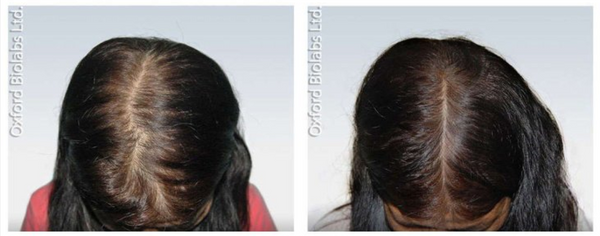
This is an extremely common explanation for hair loss, although it is extremely false.

Wearing a hat does not contribute to hair fallout. To the contrary, hats have many positive effects. Hats shield our hair from the sun, preventing sunburn, agitation and shedding. Hats also protect hair in cold climates from the harsh effects of winter (dry, brittle, damaged hair). Lastly, hats can be a trendy alternative for individuals with very few other styling options.

It should be noted, however, that prolonged wearing of hats (especially in hot climates) can contribute to the build-up of oil and sebum on the scalp. Too much sebum can react with cholesterol, creating a hardened sebum plug that cuts off oxygen circulation to the hair follicles and accumulates dirt and bacteria, contributing to hair loss.

4. Losing 100 strands of hair is normal.

This is a relatively surprising fallacy.

Most people are under the impression that shedding 100 hairs per day is normal (and many of them are correct); still, shedding is an extremely variable occurrence. Depending on one’s own individual propensity to shed hair, 100 hairs can be perfectly innocuous or an early sign of pattern hair loss.

In order to account for this variability, losing 20-50 hairs is generally considered safe.

5. Cutting your hair will make it grow thicker.

Cutting your hair will just make your hair shorter. Afterwards it will grow back at a rate of half an inch a month… as always.

It does not cause, prevent or have any effect on hair loss.

6. Lack of Sex/Too much Sex contributes to hair loss.

There is no scientific evidence of a correlation between sexual activities and hair loss.

7. Brushing or combing hair can stimulate hair growth.

First off, always use a comb on wet hair and a brush on dry hair. Using combs or brushes under inappropriate circumstances can often lead to hair breakage. The growth of one’s hair varies from one person to another depending on their genes and nutrition. You may trim your hair all you want but it won’t make any change in terms of hair thickening.

Secondly, no. There are very few treatments that actually “stimulate” hair growth, and brushing is not one of them. In fact, brushing one’s hair too often can lead to increased shedding and breakage.

8. Combing your hair a 100 times daily helps hair regrowth

It was once believed that brushing your hair for several hundred times in a day can boost hair growth, which is possible only when done lightly to stimulate the scalp but doing such several times in a day can do more damage than good, that can lead to split ends and hair loss.

9. Hair Sprays, Perm Solutions, Hair Dyes Can cause Hair Loss

These hair products can surely cause hair damage due to constant use, but this does not constitute to the actual study of hair loss which is most often androgenic.

10. Tight pony tails, cornrows can lead to hair fall.

It’s  factual that due to the amount of friction you are causing your hair strands, this can lead to hair fall, however there are no sufficient studies proving that such will affect the amount of hair that one can produce in his lifetime.

Now that we have separated what’s factual from not and you’re convinced that these myths have nothing to do with balding and you are currently depressed with some answers, TRX2 can recommend you some factual tips with regards to hair regrowth solutions.

But for argument’s sakes… what are some considerations that we have to keep in mind in terms of purchasing a hair regrowth product?

  • Regrowth hair products are formulated to enable hair growth as desired to fight androgenic alopecia. This is enabled to stimulate hair follicles to promote new hair growth.  However, several products which are commercially reproduced actually do not produce such results yet however still claim to be hair “regrowth” products.
  • Regrowth hair products have a variety of effects depending on its formulation.  Several products that claim to stimulate hair production when they at all just freeze the hair loss process to a certain period of time while the rest of the commercially produced products only mask hair loss. Some hair regrowth products create an obstruction to the hormonal formation that causes the hair follicles to break down. Hair grafting on the other hand is a medical procedure that involves hair transportation to an area that is affected by androgenic alopecia which is most often known as a method of camouflaging.
  • Some hair regrowth products may only work to a certain kind of hair loss such as DHT for instance which is actually hormonal.  DHT’s can either be produced via natural or chemical products. Be wary however since such can cause libido problems upon most men.
  • Before using any hair regrowth product, particularly those that are internally taken, be sure to check with your doctor and the product you’re purchasing are 100% natural to avoid any interference with any medications that you have prior to your supplemental intake.

I strongly recommend you to check our TRX2 Molecular Hair Solution Capsules created by Oxford BioLabs, Ltd – one of the best regrowth hair products that’s being sold online today. The product has made a name for itself that gained several awards within United Kingdom and Oxford as one of the latest hair regrowth product that incorporated the usage of L-carnitine and Potassium as one of their main ingredient, making it a qualified organic product that has been thoroughly studied – focusing on the rejuvenation of potassium ion channels within hair follicles.

The ingredients in TRX2 are 100% natural and it is the safest hair regrowth  treatment product out there today.  There is a very good reason why TRX2 has gained awards in both NESTA & NCGE  and you can find out in one of two ways – it would either be through online order which guarantees you a 30 day money back guarantee or doubt about it and miss one chance to a possible remedy.

So, what do you think of these myths? Do you have any more we should investigate? Leave us a message and let us know!


The TRUTH About Hair Loss (a compilation of helpful facts)

Written by admin May 16th, 2011

Hair loss can be managed to stop with its adequate natural treatment to enable to restore healthy hair growth through simple and proper diet and with the proper supplements needed to it.

Androgenetic alopecia is a genetic form of hair loss that involves androgens which is known as the male sex hormones. However, it’s also known as androgenic alopecia which is actually a male pattern baldness (MPB) and female pattern baldness condition and not a disease which I have discussed in my eBook which you can download for FREE.  Several factors have been linked to the discussion of the matter includes genetics, hormones, nutrition and many other possible theories.

The hair loss mechanism that causes androgenetic alopecia actually entails the actual “skull expansion” often take place and cause hair loss to develop among several men and women while others are fortunate enough not to undergo such phase.  For those who are all-out bald, a very prominent skull shape head will eventually develop. This can often be have an itchy and tight feel.  Compared to those who may not experience hair loss, a very flat, broad forehead and flat crown to the skull is nearly always present.

Skull expansion however doesn’t mean that a person will grow his skull in any case, rather for a certain skull shape, a new skull bones will grow and gradually change shape. These changes are often noticed amongst most frontal and parietal bones that slowly grows and push up against the scalp tissue thus constrict the blood vessels the supplies the necessary blood it needs to grow hair which are called Androgens – the main cause for it’s a derivative of testosterone called dihydrotestosterone (DHT).


Some Hair Facts:

  • 50% of women will experience AGA  at some point of their lives due to the small amount of testosterone that they produce. Both men and women produce a small quantity of each others hormones in this way.
  • For most women, high  estrogen levels can overwhelm the quantity of testosterone they produce thus the  opposite is true for men. It’s when estrogen levels become low due to menopause that an increase in androgen production that AGA can start to follow.
  • In women, AGA or diffuse thinning  of hair often occurs on the crown of the head
  • There is no treatment for split ends other than simply cutting them off. If you are prone to split ends, it might be necessary to get your hair trimmed once every month.
  • Gray hair occurs when pigment cells (melanin) in our hair follicles stop working properly. Because melanin production in the hair bulb deteriorates as we get older, gray hair is traditionally associated with aging. Still, gray hair can also be the result of serious stress, anxiety or worry.
  • In general, we are born with around 100,000 hair follicles. Some people may have more, some people may have less, but in general we have 100,000. There is currently no product that can increase this number. People with blonde hair have the largest number of hair follicles (approx. 130,000) while people with red hair have the least (approx. 90,000). People with darker hair possess somewhere in between, with roughly 110,000.
  • Everyone loses 50 to 100 hair strands every day. This is normal, healthy, and does not lead to baldness. Noticeable hair loss only occurs through a process known miniaturization, whereby hair shafts progressively get thinner until they cease to produce cosmetically significant hairs.
  • When we mildly damage our scalp, hair follicles are not permanently lost. They will simply start a new phase and continue to grow. However, if the damage is serious enough (or if scar tissue forms) hair will not grow back.
  • Hair is the fastest growing tissue in the human body next to the bone marrow.
  • You must lose at least 50% of your hair before it becomes visible to anyone.
  • . 90% of our hair is in the growing (anagen) stage and 10% in the resting (telogen) stage.
  • Hair increases its length by up to 30% when it’s wet and returns to its normal length when it dries. You can damage your hair and cause hair shafts to break when you stretch or pull your hair too much (especially when it’s moist).
  • Over 50% of men aged 50 and above experience some degree of male pattern baldness.
  • 40% of women who reach menopause will begin to experience female pattern baldness.
  • . Many drugs, including acne, depression, high blood pressure and antibiotic medications can actually cause hair loss.

Download for FREE and learn more about the scientific explanation of Androgenic Alopecia from our EBook and find out how TRX2 Molecular Hair Growth can improve hair growth.


Healthy Hair Care Lifestyle : Dieting And Hair Care Tips

Written by Andy (TRX2 Scientific Support) May 12th, 2011

Who says our stomach is the only organ we need to satisfy when we eat? Our hair needs the necessary diet to enable it to grow with its average monthly rate of about 1/4 to 1/2 inch every month, and the foundation of all hair growth is based on the nutrients we eat. Proper and healthy diet enables stronger and healthier hair growth along with the rest of our cells in our entire body – inside and out.

Each nutrient and vitamin we digest primarily circulates throughout our body; including our hair. Yet whenever we talk about hair care, we mostly only refer to shampoos, conditioners, brushing and styling. Regrettably, diet and lifestyle changes are almost always neglected.

Even though the gains may not be significant to every individual, it is undeniable that the food we eat can affect our hair. After all, the nutrients we derive from the foods we digest form the foundation of our skin, hair and nails.

If you are looking for a solution to combat and  improve the quality of your existing hair, this list can be a great place to start.

1. Live a Healthy Lifestyle

Taking care of what’s visual means taking care from the inside. You have to keep in mind that what you eat, drink and how you treat your body has an effect on improving hair growth. A few of the things you can do is indulging yourself with enough fresh fruits and vegetables and a suitable amount of daily water intake. Since your hair grows directly from your body, proper and healthy treatment towards your body will reflect towards your hair growth. Vitamin deficiencies and unhealthy diets can cause severe hair brittle.

Here are the list of food that you should be including in your diet foundation to improve hair growth.

  • Salmon

To most of you who are in need of a beauty punch, nothing beats the natural nutrients that a salmon can ever provide. Salmon has high-quality omega-3 fatty acids which is also filled with vitamin B-12 and iron that supports scalp health.

If you’re a Vegetarian the best way for you to find omega-3 is to have at least  a tablespoon of ground flaxseed in your daily diet.

  • Vegetables

Spinach, broccoli and Swiss chard,  are just some of the vegetables that comes as an excellent source of vitamins A and C can be found which your body needs to produce sebum that as we all don’t know is our body’s natural hair conditioner.

  • Beans

Legumes like kidney beans and lentils provide plentiful protein to promote hair growth, but abundant amount of the necessary iron, zinc, and biotin for hair growth

  • Nuts

Nut’s is the best source of vitamins. Brazil nuts for example has selenium, an important mineral to nourish your scalp. Walnuts on the other hand contain alpha-linolenic acid, an omega-3 fatty acid that helps in hair conditioning. Aside from this, Walnuts are one of the best source of of zinc including some of its nut family such as cashews, pecans, and almonds. Zinc is important. A person’s deficiency to zinc can lead to hair shedding.

  • Poultry

Chicken and its kind are your best source of high-quality protein. Inadequate protein supplement will reflect on a person’s brittle and weak hair to further result in the loss of hair color.

  • Bacon

Bacon on the other hand may not be as healthy as it may sound like but moderately consumed  amount of it can actually provide Vitamin B, zinc and protein to hair follicles.

  • Beef/Lamb

Just the same as Bacon, Beef and Lamb meat contains a considerable amount of protein, B vitamins and zinc. As an added benefit, Beef also contains iron. All of these ingredients can contribute to healthy, strong hair growth.

  • Eggs

Eggs whether served scrambled, sunny side-up or just however you like it provides the best protein source there is that you can find. Eggs as well contain biotin and vitamin B-12, which are just a few of the  important beauty ingredients needed for a healthy skin glow.

  • Whole Grains

Cereals and many whole grain food can provide you a healthy dose of of zinc, iron, and B vitamins which can be very beneficial with in hair growth improvement.

  • Oysters

Have you always thought that Oysters are mainly catering people for their aphrodisiac reputation? Guess what, they also provide zinc which can lead to a healthy hair boost.

  • Low-Fat Dairy Products

Calcium is best known to be found among  skim milk and yogurt. They also contain whey and casein, two high-quality protein sources.

  • Carrots

Carrots are known to improve vision due to its high source of vitamin A. However, it also does promote a healthy and well-conditioned scalp.

Keep in mind that a balanced diet of protein, fruits, vegetables and low-fat dairy will help keep hair healthy. Anything taken excessively will be put to waste, so don’t worry about the pounds that you can possibly add on with those listed food, as moderate food intake won’t affect your weight at all.

You also have to keep in mind that we all are born with different hair textures. So, if you were born with fine, thin hair, you’ll never have be able to have those thick hair locks despite all the food that you eat but rather have a healthy hair regrowth.


2.  Alternate Relaxed Styling & Protective Styling

When your hair has reached a certain length, it would be best to wear them loose at most time to enable it to relax. On the other hand, wearing your hair in protective styles more often than not will help you retain its length. This will keep your hair from rubbing against clothing and pillowcases which can help you hair keep its moisture and prevent dryness that can lead to breakage.

6. Evade Sun Tanning

While sun tanning can be sophisticating to look at, the sun’s heat can  be as damaging as it as compared to the occasional flat iron and curling iron use.

7. Use Proper Tools For Hair Care

We have a whole lot of available hair style to salivate with for every necessary occasion. However, it would be best for us to choose the appropriate hair styling tools for a proper hair care. The best tools are the wide teeth combs that won’t cause any friction upon combing. Never use your comb in combing through a styled hair but rather have them washed off first and let your hands run through the strands instead.

8. Condition

Just as we need to moisturize our skin often, so as the right conditioning needed to improve hair growth. This is crucial for having healthy hair.  It would be best to use an all-natural based shampoo, conditioner and even leave on contioners. A well-moisturized and well taken cared hair is less prone to breakage and best remedy hair retention.

10. Keep Your Hair Natural

Hair damage are often due to chemical processes and heating that may take years before the natural hair texture regrowths especially among women. Instead of trimming away or chemically processing your hair, allow yourself some natural hair styles that would be as versatile as it can be with your current hair texture this lessens the frustration in dealing with unnecessary textures that shouldn’t have been there in the first place.

And beware of dietary supplements that are often promoted to thicken hair or fast hair regrowth. They may cause you even more damage than do good. Keep in mind that it’s often best to have a natural hair supplement especially when you’re have to deal with hair loss.  And just in case you are currently suffering with alopecia or an amount of hair loss, have a natural hair regrowth boost by taking in a 100% natural hair solution that mainly uses L-carnitine and Potassium from TRX2 Molecular Hair Solution Capsules created by Oxford BioLabs, Ltd.


Diet and Exercise: Do They Really Matter? (Part 2)

Written by Andy (TRX2 Scientific Support) Feb 12th, 2011

A successful hair growth system starts with a healthy and balanced lifestyle. But sometimes just living the good life isn’t good enough.

Staying optimistic, eating healthy and still losing hair?

There are many other potential factors that contribute to hair loss that we can do something about.

Ask yourself, have you been getting enough rest and exercise? The stretch, exertion and relaxation of muscles are believed to regulate digestion and blood circulation throughout the body. This process can stimulate healthy hair cells in our scalp and increase blood flow to follicles. Are you overly stressed? Stress may be a little complex to understand in terms of how it directly impacts our health, but it has been known to exacerbate a variety of conditions (including hair loss).

Also consider these factors:
1.    Do you dye/perm/treat your hair with chemicals on a regular basis?
2.    Have you noticed more hair fall with your current shampoo?
3.    Do you lack sleep? Are you anemic?

4.    Are you taking birth-control pills?

5.    Do you suffer from an eating disorder?
6.    Do you have skin problems?

Even though we cannot control our genes, there are many things that we can control. If you are experiencing a significant amount of hair loss every day, try some of these easy lifestyle changes in addition to your personal regimen:

  • Perhaps your shampoo and conditioner are too strong. You might want to switch to a product that has more “natural” and light ingredients.
  • Change your hair styling habits. The chemicals that your hair and scalp absorb through various hair care products might make your hair look beautiful for a short while, but they can also leave much more obvious damage in the long-term. Tight hairstyles and braids can lead to traction alopecia, which is easily avoidable.
  • Get at least 6-8 hours of sleep every day. Not getting enough sleep can cause a litany of health problems and leads to increased frustration, anxiety and irritability.
  • Try taking multi-vitamins or eating iron-enriched foods.
  • Consult your physician if you are taking any pills or medication that might contribute to hair loss and check with your dermatologist to see if you are suffering from a different underlying condition like seborrheic dermatitis.
  • Ask your doctor about the FDA approved medications available for halting (and in rare cases, reversing) pattern hair loss.

Dr. Whitfield answers your questions.

Question: Hi, I am very interested in trying your new supplement product, but I’m worried about changing my existing regimen. What can you tell me about the science behind it? Has it had good results so far in other patients?

Thanks for your time,

BFG

Answer: Thanks for your interest & questions. Our new supplement product will not detract from any existing regimen. All of the ingredients have been proven safe and effective, and no side-effects have been reported. So far the results have been outstanding. The science behind the supplement is quite simple actually. TRX2 scientists and others have shown that small protein structures, potassium ion channels, exist within the dermal papilla of human hair follicles and play an important factor in hair growth.

At the cellular level, TRX2 Molecular Hair Growth Supplement has been shown to maintain the hair follicle’s cell membrane potential, optimizing the cell membrane lipid environment, and stimulating the de novo synthesis of potassium channels within hair follicles. The result is the deferment of hair loss, the re-growth of miniaturized follicles and overall stronger and healthier hair.

TRX2‘s potassium channel activating nutrients work well in combination with existing minoxidil-based treatment regimens. They have been shown to improve the results of minoxidil treatment even in those who have not previously experienced positive responses.

Send your questions to AskTom@trx2.com.
For more questions and answers, go to FAQ

Thomas F.A. Whitfield, DPhil, is an internationally recognized expert on potassium ion channels, former scientist of the University of Oxford’s Department of Biochemistry and member of TRX2′s Scientific Advisory Board.


Research update

What’s next for TRX2?

The launch of our first products utilizing our proprietary technology is extremely exciting for us, but we’re not done yet. We are still engaging in research and development for even more breakthrough treatments!

In addition to our clinical programs TRX2 Research, we are carrying out nutrition, potassium channel and antibody studies. Our innovative bio assays will hopefully enable us to identify even more precise therapeutic targets and develop even better treatments. We think this will help us treat a variety of hair disorders and ultimately cure hair loss for good!

With regard to our existing products, information on our human trials should be released soon. So stay tuned!

This Research Update column highlights articles related to recent scientific inquiry into the process of hair loss. It is not intended to promote any specific ingredient, regimen, or use and should not be construed as evidence of the safety, effectiveness, or intended uses of the TRX2product. The TRX2 label should be consulted for intended uses and appropriate directions for use of the product.